
Introduction
WhatsApp Business API (WhatsApp API) is widely used by banks, NBFCs, fintech apps, and financial institutions to communicate securely with customers. It enables **real-time notifications, customer support, transaction alerts, and marketing automation**—all on a platform customers already trust and use daily.
1. Security: Beyond Just Encryption
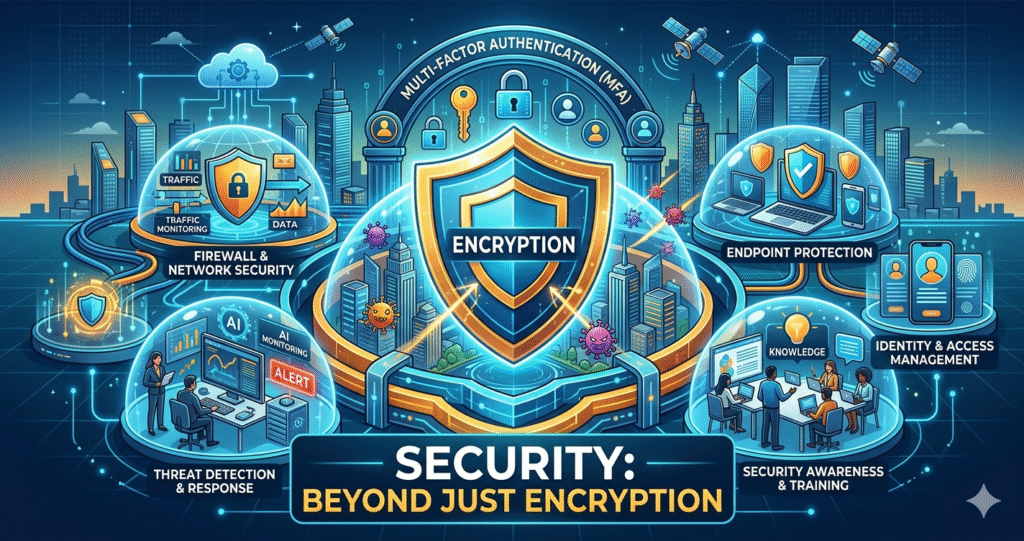
End-to-End Encryption (E2EE): While standard, for banks it means even Meta cannot read the financial data.
On-Premise vs. Cloud API: Large banks often choose On-Premise API hosting to keep data entirely within their own firewalls to meet strict 2026 data residency laws.
Biometric Step-Up: High-value actions (like a fund transfer) now trigger a “Step-up” authentication, asking the user to verify via their banking app’s fingerprint/FaceID before the WhatsApp bot proceeds.
2. Regulatory Compliance
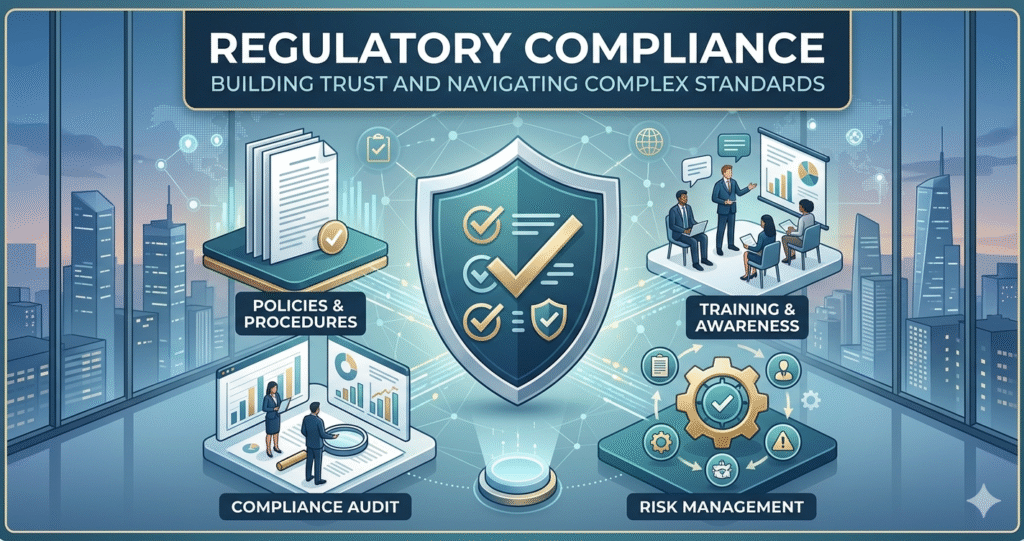
Data Localization: Banks must ensure that chat logs and customer data are stored in servers located within their specific country (e.g., India’s RBI mandates).
Audit Trails: Every interaction is timestamped and logged. This is vital for dispute resolution and regulatory audits.
The “Green Tick”: This isn’t just for vanity. In 2026, it is the primary shield against phishing. Without the Green Tick, a bank account is considered untrusted.
3. The 24-Hour "Conversation" Logic
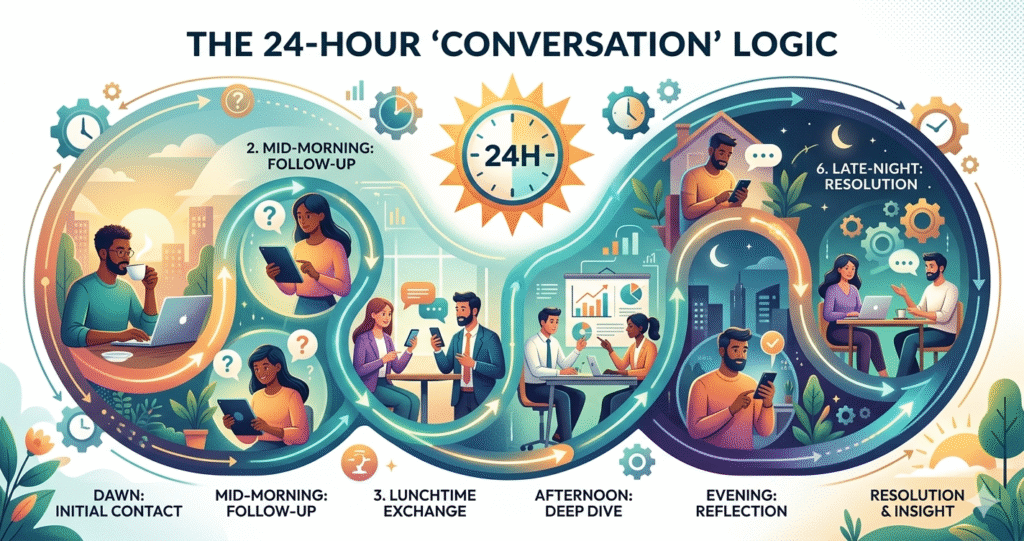
Session Window: When a customer messages you, a 24-hour “session” begins. Inside this window, the bank can send free-form messages (non-templated).
Templates: Outside that window, you can only send Meta-approved Message Templates (e.g., “Your EMI of $500 is due today”). These cannot be promotional unless the user opted in for marketing.
4. Opt-in Management
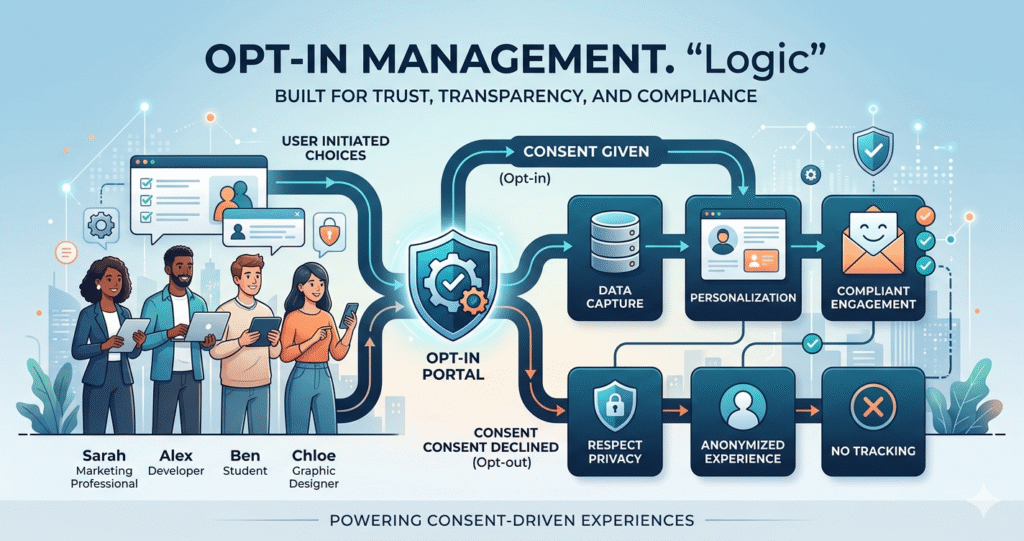
Strict Consent: You cannot message a customer just because you have their number. They must have checked a box on your website, app, or signed a physical form specifically for WhatsApp alerts.
Easy Opt-out: To maintain a high Quality Rating, banks must provide an easy “Stop” or “Unsubscribe” button in the chat. High “Block” rates by users can lead to your API number being banned.
🏦 WhatsApp API for Finance & Banking (2026)
Transform your financial services with a secure, End-to-End Encrypted communication channel. In 2026, leading banks use the API for Instant KYC Document Collection, real-time Fraud Alerts with interactive buttons, and automated EMI Reminders. By integrating directly with Core Banking Systems, you can provide 24/7 support for balance inquiries and loan applications, reducing operational costs while ensuring 100% regulatory compliance.
📈 Secure Your Banking API NowWhatsApp API for Finance Table
| Service | Action | Benefit |
|---|---|---|
| KYC | Photo Upload | Fast Onboarding |
| Fraud | Real-time Alerts | Instant Safety |
| Lending | EMI Links | Easy Payment |
| Payments | UPI Integration | Quick Transfer |
Questions & Answers
What is WhatsApp Banking?
WhatsApp Banking is a secure service provided by financial institutions that allows customers to access banking services (like checking balances, receiving transaction alerts, or applying for loans) directly through the WhatsApp interface using the WhatsApp Business API.
Is WhatsApp API secure enough for financial transactions?
Yes. It uses End-to-End Encryption (E2EE), meaning only the bank and the customer can read the messages. In 2026, banks also add a layer of Two-Factor Authentication (2FA) and biometric checks (via the banking app) before finalizing high-value transactions.
How does the "Green Tick" benefit a bank?
The Green Tick (Official Business Account) acts as a trust signal. It prevents phishing attacks by proving to the customer that they are chatting with the verified, official bank account and not a scammer.
Can a customer open a bank account via WhatsApp?
Yes. This is called Digital Onboarding. Banks use the API to collect KYC (Know Your Customer) documents (photos of ID, live selfies) and run automated verification bots to open accounts in minutes without a branch visit.
What are "Message Templates" in banking?
Templates are pre-approved message formats used for Outbound notifications (like EMI reminders or fraud alerts). Meta must approve these to ensure they aren’t spammy and follow financial regulations.